

How to Properly Protect Your Baby from the Sun
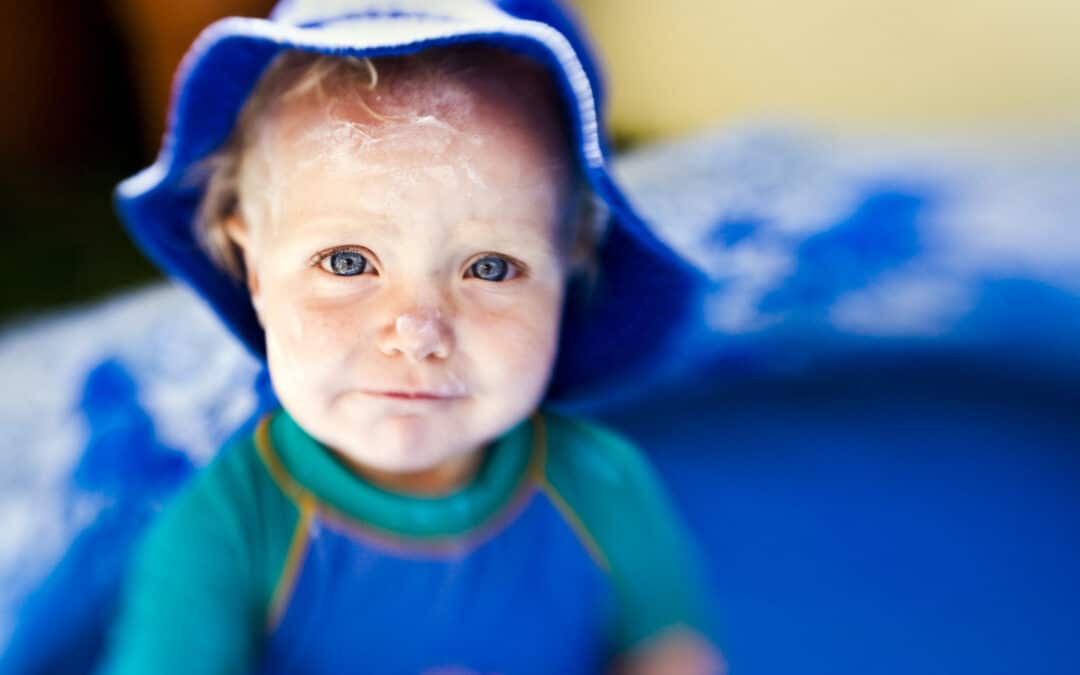
Read our common sense and expert tips on the best way to protect your baby from the sun and heat.
 What is Blue-Green Algae?
Blue-green algae, also known as cyanobacteria, are microscopic organisms that naturally occur in freshwater environments. Despite the name, they are actually a type of bacteria rather than true algae.
Under certain conditions, particularly during warm weather, these bacteria can multiply rapidly and form what is known as an “algal bloom”. Some blooms produce harmful toxins that can pose a serious risk to humans, dogs, livestock and wildlife.
Blue-green algae are found throughout the UK and can occur in lakes, ponds, reservoirs, canals, slow-moving rivers and even garden water features.
The toxins produced by some blooms can affect the skin, nervous system and liver. Exposure can lead to illness in people and can prove fatal to dogs within hours.
Blooms thrive in warm, still water and are often encouraged by:
Although blue-green algae can be present all year round, blooms are most common during late spring, summer and early autumn.
Blue-green algae can vary in appearance, making it difficult to identify with certainty.
Common signs include:
Not all algae are toxic, and it is impossible to determine whether a bloom is dangerous simply by looking at it. Therefore, any suspicious bloom should be treated with caution.
Many local authorities and environmental agencies place warning signs around affected areas. However, blooms can develop rapidly, so the absence of a warning sign does not necessarily mean the water is safe.
If you suspect blue-green algae is present:
If there are no warning notices but you believe a bloom is present, report it to the appropriate environmental authority so it can be investigated.
Exposure usually occurs through:
Symptoms can develop within hours or days and may include:
Children are particularly vulnerable because they are more likely to swallow water whilst playing.
Anyone who becomes unwell after contact with potentially contaminated water should seek medical advice and mention possible exposure to blue-green algae.

Dogs are particularly at risk because they:
Even a small amount of contaminated water can be dangerous.
The toxins can affect the liver, nervous system and other organs. In severe cases symptoms can develop within 15 to 60 minutes.
Sadly, there is currently no antidote for blue-green algae poisoning.
Any dog showing symptoms after contact with suspect water requires immediate veterinary treatment. Fast action can make the difference between life and death.
Cold water shock can affect both humans and dogs.
The other main danger to keep in mind in the hot weather is cold water shock. On a hot day, plunging into a cool pool or the sea may well be a very appealing prospect. However, every year people die from the physiological reaction known as cold water shock.
Cold water shock causes you to gasp uncontrollably and panic, which often leads to drowning. The shock of entering the water triggers the automatic fight or flight response resulting in panic and confusion. This puts additional strain on the heart, further lowering skin temperature by shutting down the peripheral circulation. Thrashing around trying to swim will encourage air to escape from clothing, thereby reducing buoyancy and making it harder to float.
The RNLI Respect the Water Campaign urges people to avoid gasping, thrashing or swimming hard and to remain as calm as possible, turn onto their back and float instead.
Floating offers an opportunity to catch your breath; allowing the effects of cold water shock to pass. This should take no more than about 90 seconds. Do not worry if you are wearing clothes and shoes as these will remain buoyant and help you to float in the initial minute it takes you to regain control of your breathing.
Once you have control of your breath, you can swim to safety, call for help or continue to float until help arrives.

First Aid for Life provide award-winning first aid training tailored to your needs – Please visit our site and learn more about our practical and online courses. It is vital to keep your skills current and refreshed. We are currently providing essential training for individuals and groups across the UK. In addition, we have a great range of online courses. These are ideal as refreshers for regulated qualifications or as Appointed Person qualifications.
You can attend a fully regulated Practical or Online First Aid course to understand what to do in a medical emergency. Please visit https://firstaidforlife.org.uk or call 0208 675 4036 for more information about our courses.
First Aid for Life is a multi-award-winning, fully regulated first aid training provider. Our trainers are highly experienced medical, health and emergency services professionals who will tailor the training to your needs. Courses for groups or individuals at our venue or yours.
First Aid for life provides this information for guidance and it is not in any way a substitute for medical advice. First Aid for Life is not responsible or liable for any diagnosis made, or actions taken on this information.

Related Posts
Read our common sense and expert tips on the best way to protect your baby from the sun and heat.

0 Comments