
 Keep drinking!
Keeping Safe in the Sun – Sunburn and Heat Exhaustion
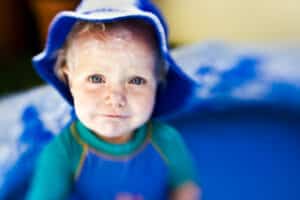
How to keep children safe in the sun
Summer is great, with warmer weather and more time to be outside. However the sun can cause damage to our children’s delicate skins and it is important to know how to stay safe: Don’t burn! The sun’s UV rays can quickly damage children’s skin, even on a cloudy day. To avoid sunburn:
- Always ensure children are wearing appropriate sunscreen, apply liberally over face and body and re-apply every 2-3 hours.
- Take particular care if swimming or boating as water intensifies the sun’s rays
- Dress the children in tightly woven opaque clothes ideally with a sun factor rating
- Regularly go indoors or move into shade.
- Avoid being in the sun between 11:00 am and 3:00pm, when the sun’s rays are strongest.
- Wear a hat, ideally with an SPF factor, wide brim and ear cover.
- Wear sunglasses
- Protect little ones in the car and buggy too and invest in sun shades
Click here for an article on when to cover your baby’s pram.
Clouds are no match for UV rays
Remember, you can still get burned in the shade. Sun protection remains essential even on overcast days. If the temperature seems low to you, remember that it could still affect a young baby or child.
If a child is sunburnt they will need medical attention
Cool under a tepid shower for at least 10 minutes, or apply repeated cool wet towels for 15 minutes. When completely cooled, apply neat Aloe Vera gel to the affected area, this will soothe, reduce swelling and promote healing. Give the child plenty to drink and Calpol for the pain. Seek Medical advice.
For specific information about children sunburns, click here
What are the signs of heat exhaustion?
- A headache
- Sizziness and confusion
- Loss of appetite and feeling sick
- Excessive sweating and pale, clammy skin
- Cramps in the arms, legs and stomach
- Fast breathing or pulse
- Temperature of 38C or above
- Being very thirsty
The symptoms are often the same in adults and children, although children may become floppy and sleepy. If someone is showing signs of heat exhaustion, they need to be cooled down.
 Keep drinking!
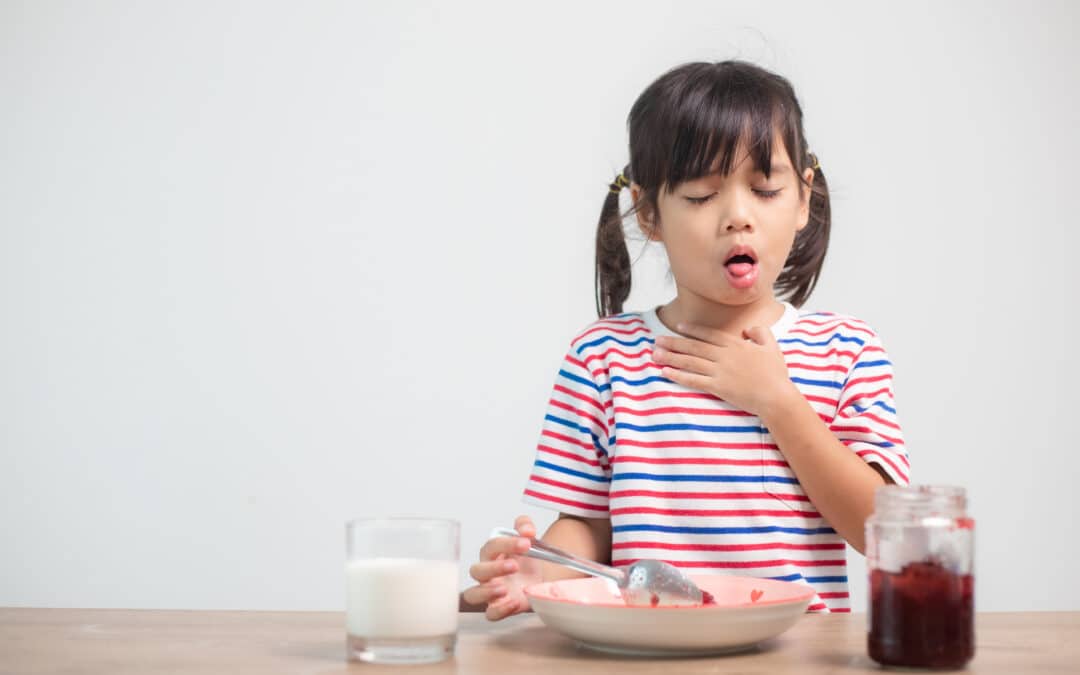
Continually encourage little ones to drink lots of water as dehydration can quickly lead to heat exhaustion. Heat exhaustion can come on suddenly following exposure to the sun, the child may have a raised temperature, feel sick, dizzy, headachy, or have stomach ache and it can result in them collapsing.
First Aid for dehydration
They need to re-hydrate fast, ideally with Dioralyte, water or an isotonic sports drink. Seek medical advice.

Key advice: Combine sufficient sunscreen, appropriate clothing and shade with lots of drinks, and enjoy the summer!
Find here an extensive guide on how to spend holidays with your children in all tranquillity
 Be ready for bites, stings and outdoor accidentsSee the course
About Us:
First Aid for Life provides award-winning first-aid training tailored to your needs. Please visit our site and learn more about our practical and online courses. It is vital to keep your skills current and refreshed. We are currently providing essential training for individuals and groups across the UK. In addition, we have a great range of online courses. These are ideal as refreshers for regulated qualifications or as Appointed Person qualifications.
You can attend a fully regulated Practical or Online First Aid course to understand what to do in a medical emergency. Please visit https://firstaidforlife.org.uk or call 0208 675 4036 for more information about our courses.
First Aid for Life is a multi-award-winning, fully regulated first aid training provider. Our trainers are highly experienced medical, health and emergency services professionals who will tailor the training to your needs. Courses for groups or individuals at our venue or yours.
First Aid for Life provides this information for guidance and it is not in any way a substitute for medical advice. We are not responsible or liable for any diagnosis made, or actions taken on this information.


0 Comments