
Fitting, seizures and convulsions
1 in 20 people will experience some sort of a seizure during their lives.
A seizure (the medical term for a fit or convulsion) occurs when there is a sudden burst of electrical activity in the brain temporarily interfering with the normal messaging processes.
The brain affects the whole of the body and so where the seizure occurs in the brain, will affect different parts of the body. There are many different types of seizures and loads of different causes: any head injury or stress to the brain can cause fitting, as can brain tumours, meningitis, malaria, eclampsia in pregnancy, poisoning, lack of oxygen, raised body temperature, epilepsy, drug and alcohol use and withdrawal…
It is quite common for babies and young children to experience febrile convulsions. These are seizures caused by a rising temperature when they are unwell. Seizures are extremely frightening, however these ones are rarely life threatening. Your child is likely to grow out of them by the time they are about 5 years old.
Observing how someone behaves during a seizure can be really helpful to neurologists. A diagnosis of epilepsy is made when someone has had at least one unprovoked seizure – that cannot be attributed to any other cause.
Fits, seizures or convulsions can cause as rigid out of control movements. The casualty may experience absence seizures, where they become rigid and unresponsive, full thrashing around tonic / clonic fits – or anything in between.
How to help someone experiencing a tonic-clonic fit / generalised seizure
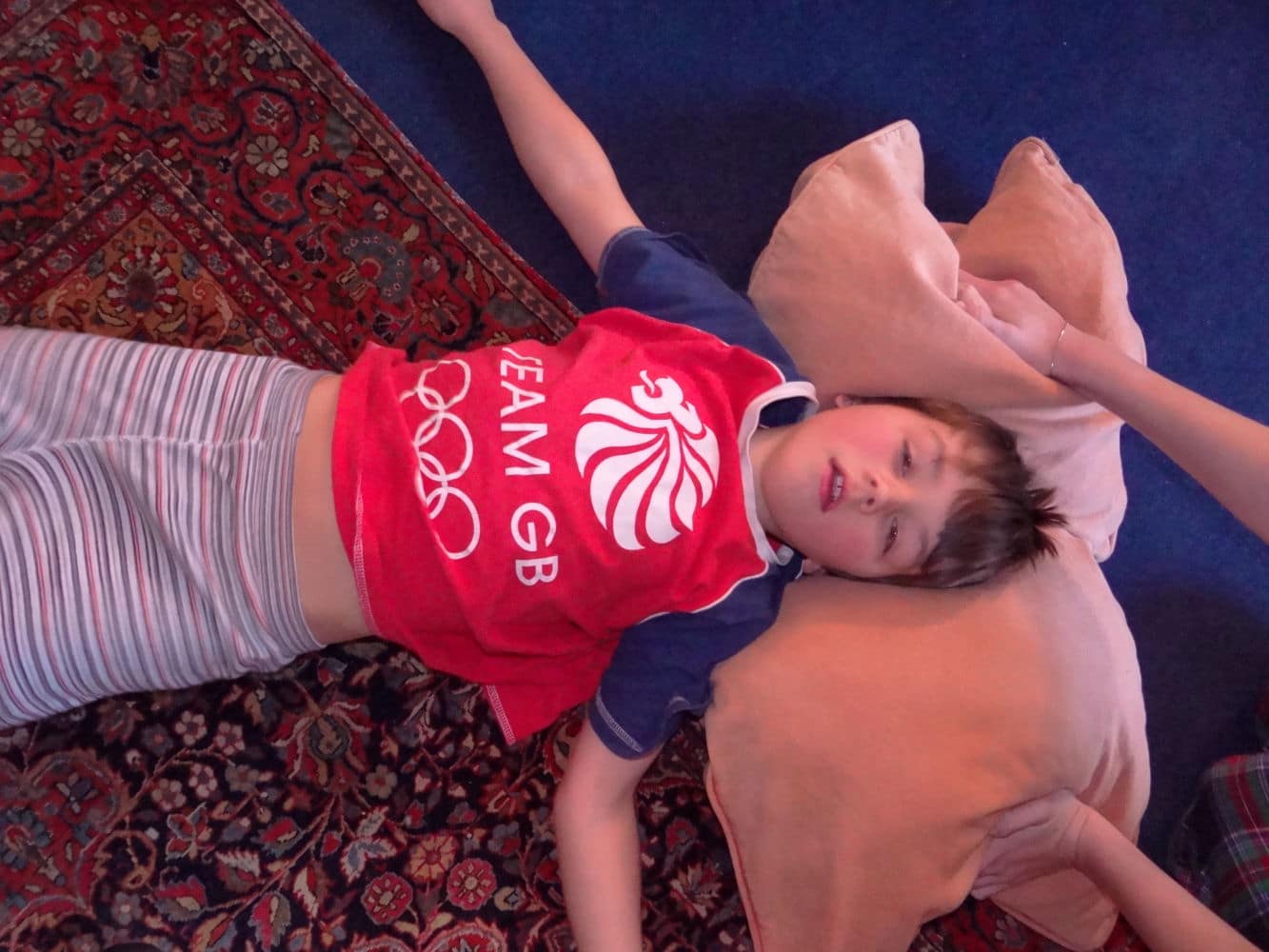
What might happen:
Tonic phase – they collapse to the ground as they lose consciousness. The body goes stiff and rigid and they may cry out as if in pain. This is due to an involuntary action as the muscles force air out of the lungs. The casualty is not in pain and is usually unaware of the noise they are making. They can begin to appear blue around their mouth and finger tips.
Clonic phase – They may rigidly jerk around as the muscles alternately relax and tighten. They may make a snoring noise as the tongue flops to the back of the airway. They could be incontinent and might bite their tongue.
Post-Ictal phase – (a medical word to mean after a seizure). Once the jerking stops, they may be confused, sleepy, agitated or pretty unresponsive. If you are worried about their airway put them into the recovery position. They may not know who they or you are and it could take a few minutes for it all to piece back together.
Help for a generalised seizure
- Make sure they are safe, ease them to the ground if they are on a chair.
- Protect their head without restraining them.
- Make a note of the time that the seizure started and of the different phases – be as detailed as you can as this is extremely useful to the medical team when investigating causes and instigating treatment. Specific information as to whether one side of the body is more affected than the other etc can give the clinician help with their diagnosis.
- Loosen any tight clothes.
- Remove any objects against which they could hurt themselves.
- Ask bystanders to move away and protect the casualty’s dignity.
- Once the seizure has stopped, check the airway and breathing and place in the recovery position if unresponsive.
- Stay with them and talk to them reassuringly throughout the seizure
Phone for an ambulance if:
- it is their first seizure,
- the seizure lasts for more 5 minutes
- they have another seizure straight after
- they have injuries
- If they have seizures history and this one is different
- You are worried at all
- If unresponsive for more than 5 minutes after the seizure
- Avoid putting your fingers or anything in their mouth to try and prevent them biting their tongue – as this will cause serious injury
- Do not try and move them unless they are in immediate danger
- Avoid restraining their movements whilst they are fitting
- Do not give them anything at all to eat and drink until fully recovered
- Never try and ‘bring them round’
Useful links: Epilepsy UK
http://www.epilepsy.org.uk/info/seizures/febrile-convulsions
http://www.youtube.com/watch?v=m4iWcTJW3tU&feature=em-subs_digest-vrecs A you tube video showing a little boy having a convulsion
We strongly recommend that you attend a Practical or online First Aid course to understand what to do in a medical emergency. Please visit www.firstaidforlife.org.uk emma@firstaidforlife.org.uk or tel 0208 675 4036 for more information about our courses.
First Aid for life provides this information for guidance and it is not in any way a substitute for medical advice. First Aid for Life is not responsible or liable for any diagnosis made, or actions taken reading this information.


I will this fit i am some time so much plan full body just 30min i all time ret medicine all day 5medical same tap me plz what i do plz…
I do hope they are okay and that you called an ambulance
This only happens to children under the age of 5 ?
MY child has had two episodes this year. In one case he was just okay but when he was being washed i heard him shiver as though the water was cold however it was warm water, then he come to sit near me and a few minutes later I just realized that salivar was getting out of his mouth and he was helpless. i took him to the nearby dispensary and the doctor applied Methylated sprit, a few minutes later he was back .we were also given one drug to insert on him. then he was injected for three days.
In the second episode, he had some cold and cough, after he was given medication he started to vomit and thereafter become helpless and the same thing happened we took him to the same doctor and he did the same thing and we went back with the child.
any advice on the above?
I have had a few bed-wetting events since having had a stroke a year or two ago, & did not have a clue it was happening! (Only realizing it upon awakening within a couple of hours after having gone to sleep!) It obviously having happened within an hour or so after having gone to sleep- even though I had gone to the toilet before going to bed, & not drunk fluid immediately before going to sleep.
My local GP has suggested my possibly having had a medical fit, on those occasions- possibly due to a long strenuous day or two, without having an afternoon rest! What say ye?
Thanks.
I had a fit/ siezure at 7 yrs old due to a very high temp caused by ear & throat infection. The at 74 yrs I started having siezures? 1st treated very lightly.? 2nd said due to very low sodium level due to medication. 3rd still low sodium but not dangerously so ? 4th & 5th one week apart cause not known? So now I’m classed as epileptic and now on medication. I should have been put on it sooner I believe? Of course they took my driver’s license for 12 months but reviewed it at 6 and got it back. The frightened thing is they say lack of sleep is a major cause of siezure ! I’m lucky to get more than 4 hrs sleep a night ?? It a he’ll of a vicious circle I tell you.