

Ticks and the danger of Lyme disease for you and your dog
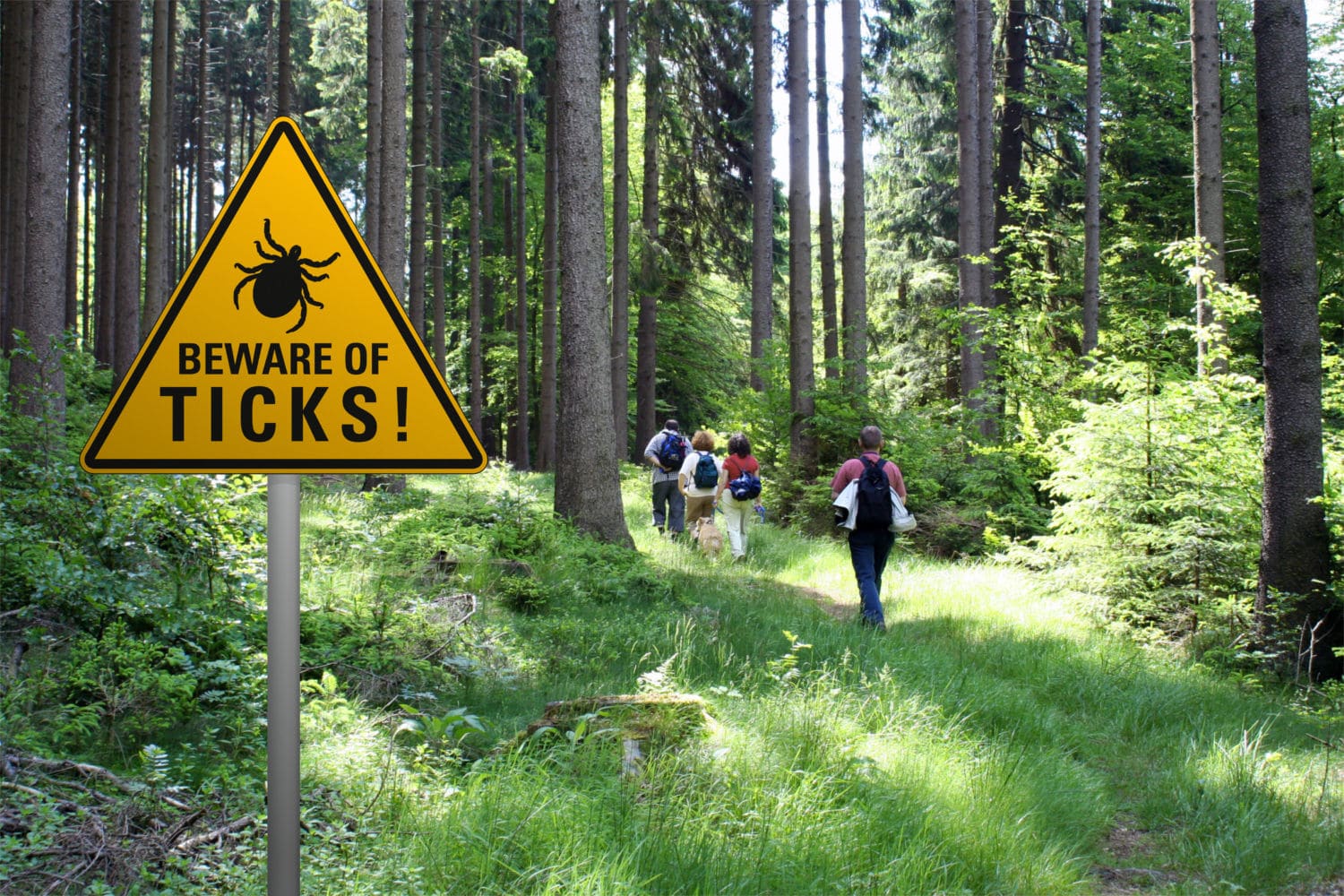
All dog walkers should be aware of the dangers of a serious bacterial infection called Lyme disease which is passed on by ticks to them and their dog.
Lyme disease can be a devastating disease, yet it can be easily treated if caught early.
Dogs, cats and humans can all get Lyme disease. Although it’s uncommon in cats and less serious in dogs, in humans it can be extremely serious – debilitating, life-changing and, in very rare cases, can prove fatal.
Therefore, it is vital you know the signs to look out for and what to do, should you or your dog pick up a tick whilst out on a walk.
Ticks: The lowdown
What –
Ticks are small, spider-like parasites that bite into the skin and suck blood from other animals, including us. Initially they are extremely small, but swell as they eat, eventually becoming pea-sized and therefore easier to spot and remove.
When –
Ticks are active throughout the year. However, you are most likely to spot them between spring and autumn.
Where –
Ticks are tiny creatures that live in woodland and areas of long grass. They are particularly prevalent if there are deer and other wildlife.
How –
Ticks don’t fly or jump like fleas do. Instead they climb or drop on you or on your pet’s coat as your pet brushes past whatever the tick is sitting on. Ticks will bite and feed on you, your dog or cat for up to a few days, only dropping off once they’ve fed enough. It’s possible the tick could give you or your pet Lyme disease during this feeding time. Make sure you know how to identify a tick on your pet.

Tick removal
This section follows advice from NHS England.
- Use fine-tipped tweezers or a tick-removal tool. You can buy these from some pharmacies, vets and pet shops.
- Grasp the tick as close to the skin as possible.
- Slowly pull upwards, taking care not to squeeze or crush the tick. Dispose of it when you have removed it.
- Clean the bite with antiseptic or soap and water.
You don’t need to do anything else unless you notice a rash or become unwell.
Never burn the tick off or try to use chemicals to kill it.
Keep the tick in a container to show to the health professionals so they can ensure it has been removed entirely. Cover up with long trousers and socks when walking in woodland and long grass and always check all over yourself, your clothes and your dog for ticks upon your return and change your clothes.
Tick removal methods to avoid
Never burn the tick off or try to use chemicals or lotions to kill it.
Do keep the tick in a container to show to the veterinary or medical professionals so they can ensure it has been removed entirely.
Lyme disease in humans:
Lyme disease is a serious illness in humans, characterised by flu like symptoms, lethargy and aches and pains. 50% of people with Lyme disease develop a classic bulls eye type rash, which can appear on any part of the body and not necessarily where they were bitten. If you are worried you might have contracted Lyme disease, visit your doctor urgently.

Severe long-term problems of Lyme disease
If Lyme disease is diagnosed and treated quickly it is possible to make a full recovery. However, it can cause paralysis, arthritis, meningitis and severe long-term problems.
Lyme disease in dogs:
Lyme disease isn’t only a problem for humans. It is one of the most common diseases transmitted by ticks. However, it only causes symptoms in 5-10% of affected dogs. Furthermore, the initial symptoms differ too, as they don’t display the same ‘bullseye’ rash. As a result, you may not know that your pet is affected until they attend the vet with some other problem.
According to the RSPCA symptoms of Lyme disease with cats and dogs include:
- Depression
- Loss of appetite
- Fever
- Lameness
- Swollen and painful joints
- Swollen lymph nodes
- Lethargic
If your dog displays any of these symptoms, please visit your vet as soon as possible.
Tick prevention
Cover up with long trousers and socks when walking in woodland and long grass and always check yourself, your clothes and your dog for ticks on your return.
Change your clothes when returning from a walk.
Get into the habit of checking for ticks on a daily basis. If you find them, learn how to remove them properly to prevent infection.
Tick treatment
You can also use a treatment to stop ticks from biting your pet. The treatment works by either killing or repelling the tick if they attach. They come in tablet form or spot on treatments.
Treatment for Lyme disease
Early detection is key. Lyme disease can be treated with antibiotics if caught early.. Therefore, if you think your dog or cat has Lyme disease, contact your vet who can run tests and start treatment if necessary.

About us
First Aid for Life and Firstaidforpets.net have a wealth of information for pet and human first aid. Ensure your skills are up to date and you are ready to help in any form of medical emergency.
First Aid for Life provide award-winning first aid training tailored to your needs – Please visit our site and learn more about our practical and online courses. It is vital to keep your skills current and refreshed. We are currently providing essential training for individuals and groups across the UK. In addition, we have a great range of online courses. These are ideal as refreshers for regulated qualifications or as Appointed Person qualifications.
You can attend a fully regulated Practical or Online First Aid course to understand what to do in a medical emergency. Please visit https://firstaidforlife.org.uk or call 0208 675 4036 for more information about our courses.
First Aid for Life is a multi-award-winning, fully regulated first aid training provider. Our trainers are highly experienced medical, health and emergency services professionals. They tailor the training to your needs. Courses for groups or individuals at our venue or yours.
First Aid for life provides this information for guidance and it is not in any way a substitute for medical advice. First Aid for Life is not responsible or liable for any diagnosis made, or actions taken on this information.



0 Comments