

Lyme Disease and Ticks
Lyme Disease and Ticks
Tick bites
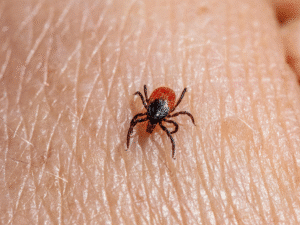
Ticks are tiny creatures that live in woodland and grassy areas, they are particularly prevalent if there are deer and other wildlife. They are blood sucking and bite into the skin to feed on blood. Initially they are extremely small, but swell as they eat, eventually becoming pea sized and therefore easier to spot and remove.
Ticks can carry Lyme disease and should ideally be removed by a medical professional. If this is not possible, they should be very carefully removed with tweezers or ideally with a proper tick remover, gently pulling without twisting in any way. when using a tick remover, you should insert under the tick and rotate 360 degrees. It is possible for the tick to be only half removed and to leave its mouth parts in the skin and this can lead to infection and will need medical treatment and possibly antibiotics.
Never burn the tick off, or try and use chemicals to kill it. Keep the tick in a container to show to the medical professionals so they can ensure has been removed entirely.
Cover up when walking in woodland and long grasses and always check yourself, your clothes and your dog on your return.
Lyme disease is a serious illness in humans, characterised by flu like symptoms, lethargy and aches and pains. 50% of people with Lyme disease develop a classic bulls eye type rash, which can appear on any part of the body and not necessarily where they were bitten. If you are worried you might have contracted Lyme disease, visit your doctor urgently. If Lyme Disease is diagnosed and treated quickly it is possible to make a full recovery, however it can cause paralysis, arthritis, meningitis and severe long term problems.
It is highly recommended that you attend a practical or online First Aid course to learn how to help in a medical emergency
First Aid for life and onlinefirstaid.com provides this information for guidance and it is not in any way a substitute for medical advice. First Aid for Life is not responsible or liable for any diagnosis made, or actions taken based on this information. The best way to be prepared for action in an emergency is to attend a practical First Aid course.
For more information please visit: firstaidforlife.org.uk or contact emma@firstaidforlife.org.uk 0208 675 4036



0 Comments