
What’s Stung Me? A Seaside First Aid Guide

A day at the beach is a wonderful way to enjoy the summer, but it’s important to be aware of the potential hazards hidden in the sea and on the shoreline. Jellyfish, Portuguese Man o’ War, weever fish and sea urchins can all cause painful injuries if accidentally disturbed or trodden on.
Fortunately, most stings and puncture wounds are not serious and can be effectively treated with prompt first aid. Knowing what to do can help relieve pain, reduce the risk of complications and ensure you know when further medical treatment is needed.
Preventing beach injuries
A few simple precautions can help keep you and your family safe:
Wear beach shoes or water shoes when paddling, swimming or exploring rock pools. These provide protection against sharp rocks, shells, weever fish and sea urchin spines.
Avoid touching jellyfish or other marine creatures, even if they appear dead, as they may still sting.
Take notice of local warning signs advising of jellyfish or other marine hazards.
Supervise children carefully when they are playing in or around the water.
Jellyfish stings
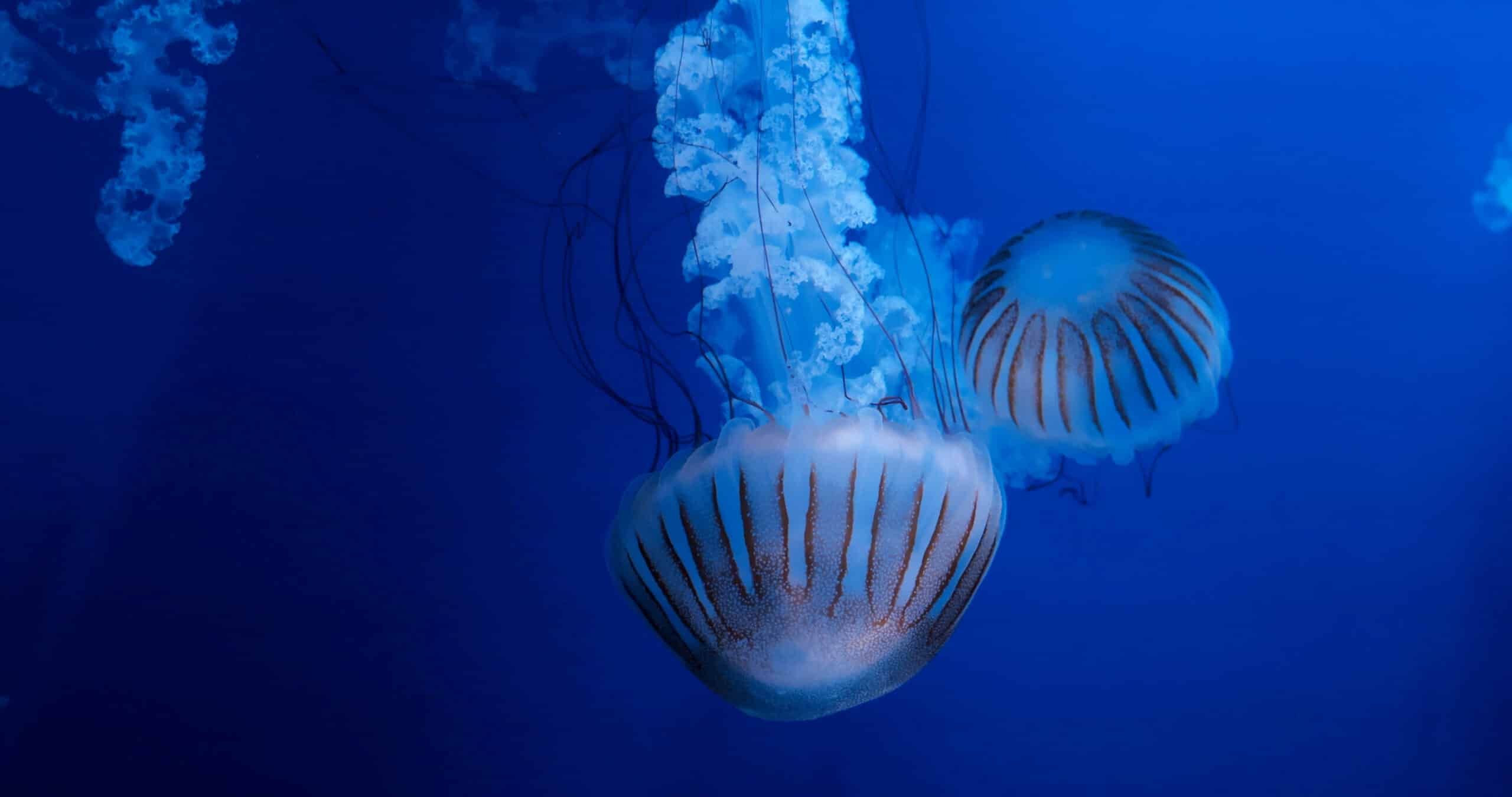
Jellyfish are common around the UK coastline, particularly during the warmer months. Most UK species cause painful but relatively mild stings, although some people may develop a more serious allergic reaction.
Symptoms
A jellyfish sting may cause:
- Immediate stinging or burning pain
- Red or raised marks on the skin
- Swelling
- Itching
- Occasionally blistering
In rare cases, a jellyfish sting can trigger a severe allergic reaction (anaphylaxis), which is a medical emergency.
First aid for a jellyfish sting
Reassure the casualty and help them sit or lie down comfortably.
Ask a lifeguard or first aider for assistance if one is available.
Carefully rinse the affected area with seawater. Do not use fresh water, as this may trigger any remaining stinging cells to release more venom.
If any tentacles remain attached, carefully remove them with tweezers or the edge of a bank card. Avoid touching them with your bare hands.
Soak the affected area in very warm water (as hot as can comfortably be tolerated without causing burns) for at least 30 minutes. If it is not possible to immerse the area, apply hot towels or flannels, replacing them as they cool.
Simple pain relief may help if needed.
Do not
- Do not rinse the sting with fresh water.
- Do not rub the affected area.
- Do not apply ice.
- Do not urinate on the sting.
Portuguese Man o’ War stings
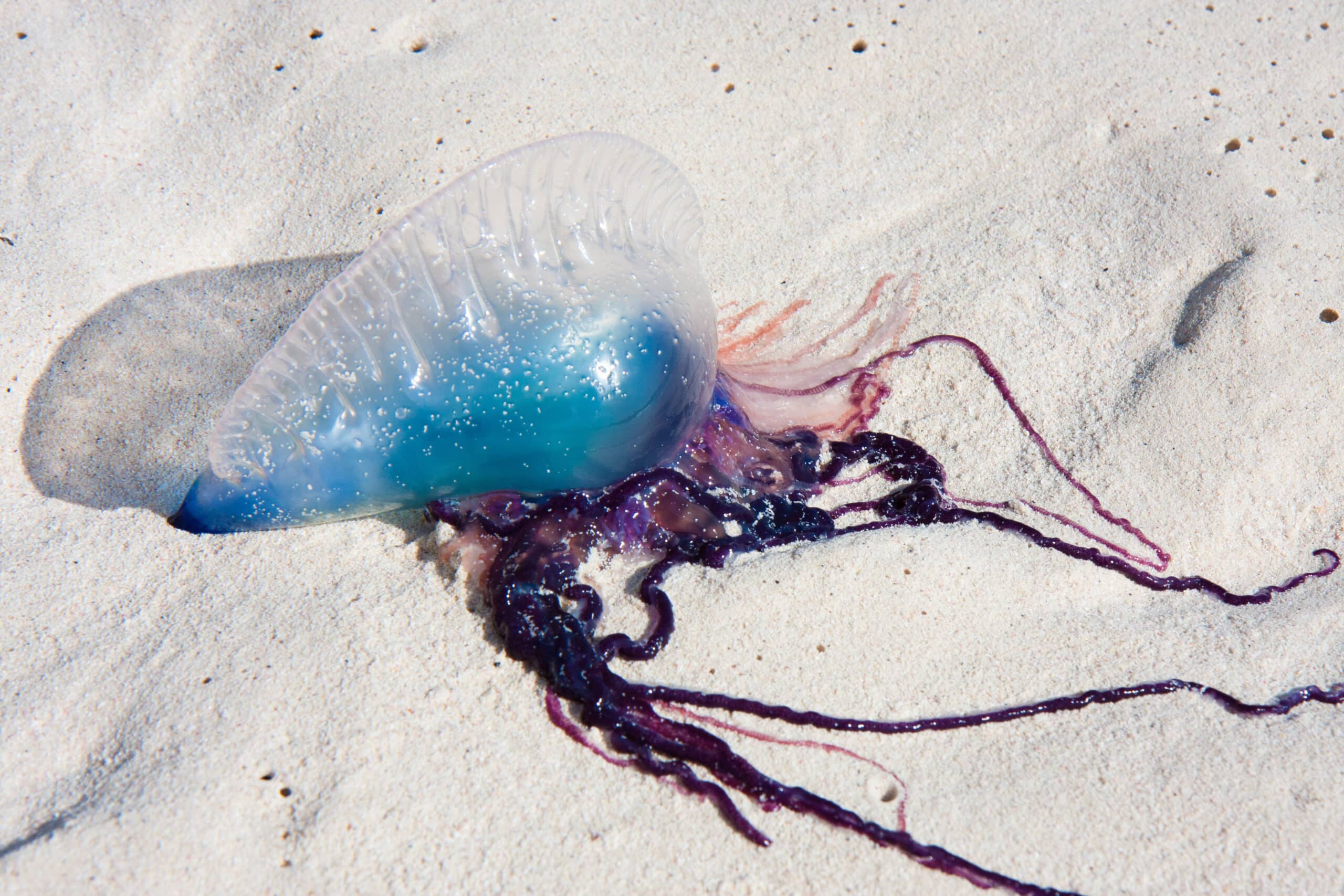
Although often mistaken for a jellyfish, the Portuguese Man o’ War is a different marine organism with extremely long venomous tentacles. Its sting can be particularly painful.
Symptoms
Symptoms may include:
- Severe, immediate pain
- Red, raised whip-like marks on the skin
- Swelling
- Occasionally nausea, muscle pain or feeling generally unwell
As with jellyfish stings, severe allergic reactions are uncommon but require immediate emergency treatment.
First aid
Treatment is the same as for a jellyfish sting:
- Reassure the casualty.
- Rinse the area carefully with seawater.
- Remove any visible tentacles using tweezers or the edge of a bank card.
- Soak the affected area in very warm water for at least 30 minutes, ensuring the water is not hot enough to burn the skin.
- Seek urgent medical attention if symptoms are severe or the casualty becomes unwell.
Sea urchin injuries
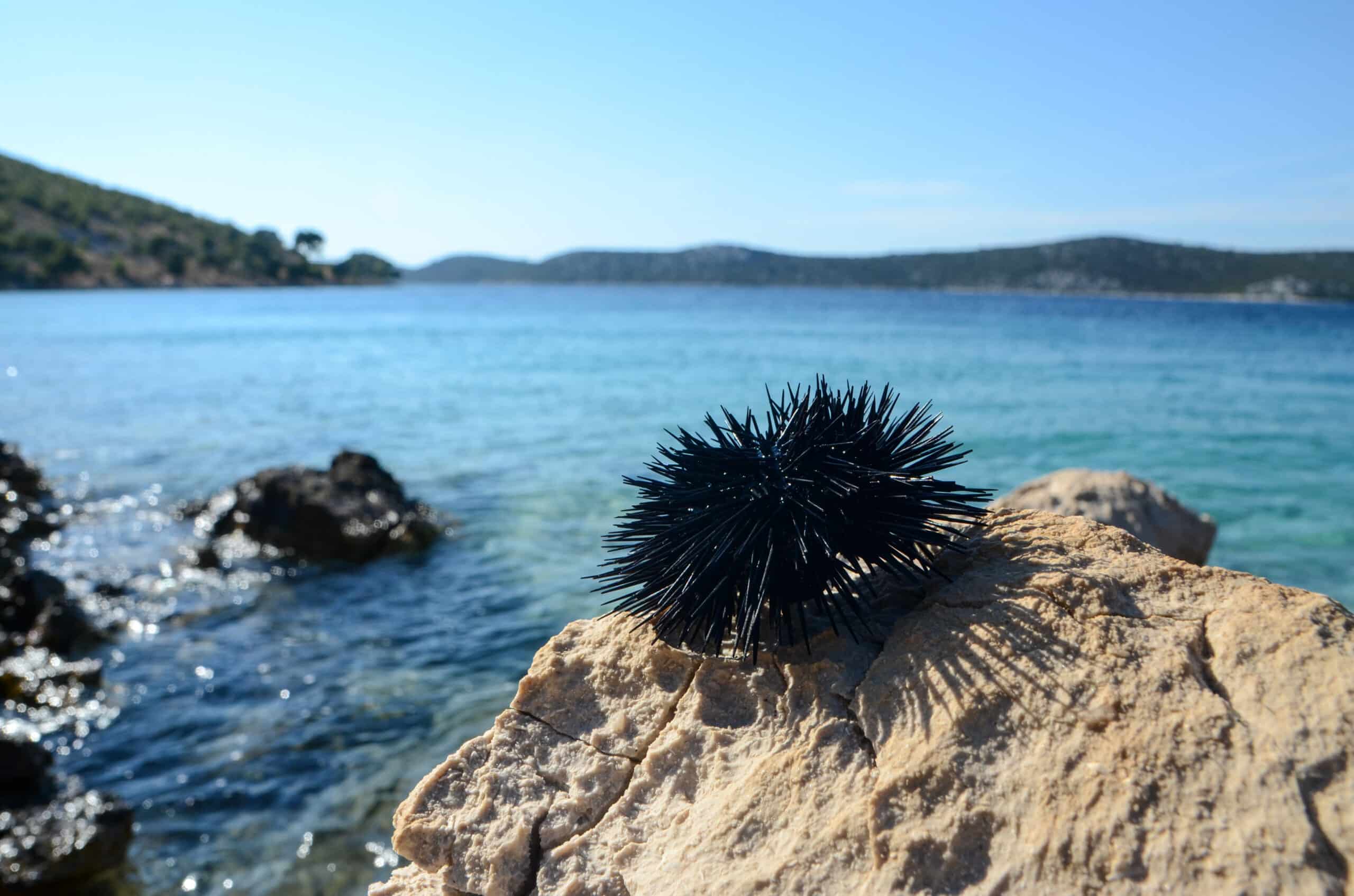
Sea urchins are covered in long, brittle spines that can easily become embedded in the skin if stepped on. The tips of the spines may snap off beneath the skin, making removal more difficult.
Symptoms
Sea urchin injuries commonly cause:
- Immediate pain
- Small black or dark-coloured spines visible in the skin
- Swelling
- Tenderness around the wound
- First aid
- Reassure the casualty.
- Rinse the wound with seawater.
- Soak the affected area in very warm water (as hot as can comfortably be tolerated without causing burns) for at least 30 minutes.
- Carefully remove any large visible spines using tweezers, taking care not to snap them.
- Leave the wound uncovered.
- Continue to monitor the injury over the following days
Seek medical advice if:
- Spines remain embedded.
- Pain persists.
- The wound becomes increasingly red, swollen or painful.
- Pus develops or there are other signs of infection.
Weever fish stings
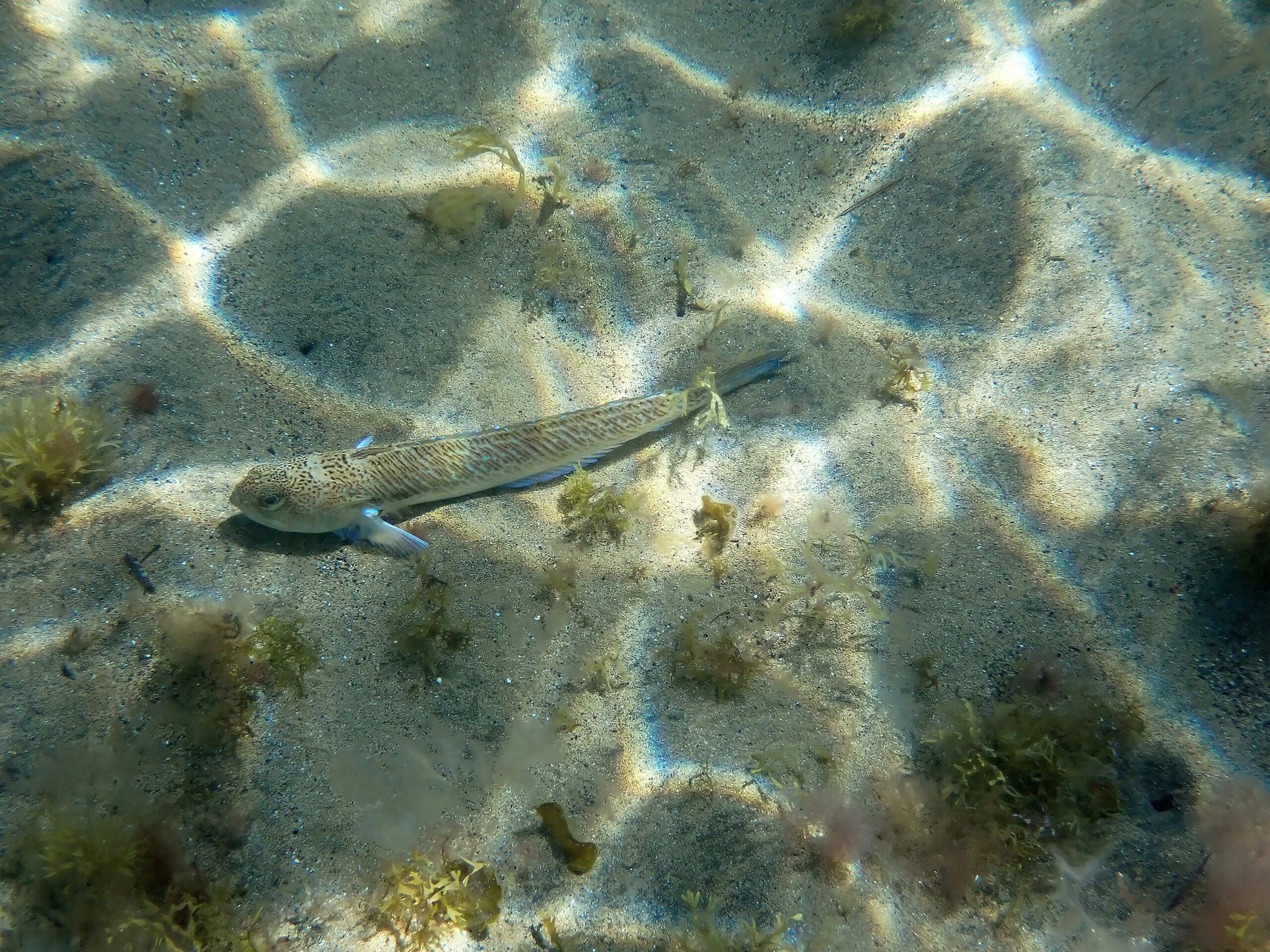
Weever fish bury themselves beneath the sand in shallow water, leaving only their venomous dorsal spines exposed. They are one of the most common causes of painful marine injuries around the UK coast.
Symptoms
A weever fish sting usually causes:
- Sudden, severe pain immediately after standing on the fish
- Swelling
- Redness around the puncture wound
- Pain that may spread up the foot or leg
- First aid
- Help the casualty out of the water and reassure them.
- Rinse the wound with seawater.
- Soak the affected area in very warm water (as hot as can comfortably be tolerated without causing burns) for at least 30 minutes.
- Carefully remove any large visible spines using tweezers if they can be removed easily.
- Leave the wound uncovered.
- Continue to monitor for signs of infection.
Seek medical advice if:
- Pain remains severe.
- Spines remain embedded.
- The wound becomes red, swollen or increasingly painful.
- There are signs of infection.
- Watch for an allergic reaction
Although uncommon, some people may develop a severe allergic reaction (anaphylaxis) following a marine sting.
Call 999 immediately if the casualty develops:
- Difficulty breathing
- Wheezing
- Swelling of the face, lips or tongue
- Difficulty speaking or swallowing
- Collapse or loss of consciousness
If they have been prescribed an adrenaline auto-injector (such as an EpiPen), help them use it immediately while waiting for the ambulance.

When should you seek medical advice?
You should seek medical attention if:
- The pain is severe or not improving.
- Large spines cannot be removed.
- There are signs of infection, including increasing redness, swelling, warmth or pus.
- The sting affects the eyes, mouth or throat.
- The casualty becomes generally unwell.
- Enjoy the beach safely
Most marine stings and puncture wounds can be managed successfully with prompt first aid. Wearing beach shoes, supervising children and knowing how to treat jellyfish stings, Portuguese Man o’ War stings, weever fish injuries and sea urchin punctures will help you enjoy the seaside with confidence.
Remember, if someone develops any signs of a severe allergic reaction or difficulty breathing following a sting, treat it as a medical emergency and call 999 immediately.
About Us
First Aid for Life provides this information for guidance and it is not in any way a substitute for medical advice. First Aid for Life is not responsible or liable for any diagnosis made, or actions taken based on this information. It is strongly advised that you attend a practical First Aid course to understand what to do in a medical emergency.
First Aid for Life offer tailored first aid courses for specific activities and destinations.
Written by Emma Hammett from First Aid for life
www.firstaidforlife.org.uk
It is strongly advised that you attend a Practical First Aid course to understand what to do in a medical emergency. Please visit www.firstaidforlife.org.uk and www.onlinefirstaid.com for more information about our practical and online courses and to access free resources.
First Aid for life provides this information for guidance and it is not in any way a substitute for medical advice. First Aid for Life is not responsible or liable for any diagnosis made, or actions taken based on this information.


0 Comments