A Guide to Treating your Burn or Scald
A Guide to Treating Burns and Scalds
We all know the shock and pain that comes after being burned – sometimes it makes it hard to think clearly but treating a burn quickly and properly is essential to limit damage. Below is a our advice on how to treat your burn or scald.
Burns and scalds make up a huge proportion of hospital emergency visits. An estimated 180 000 deaths every year are caused by burns – the vast majority occur in low- and middle-income countries. However burns are preventable!
Even if you think the burn is minor, all burns must be taken very seriously, and you should always seek medical advice.
What is a burn or scald?
Burns and scalds are damage to the skin caused by heat. Both are treated in the same way.
A burn is caused by dry heat – by an iron or fire, for example. A scald is caused by something wet, such as hot water or steam.
Burns or scalds can be very painful and may cause:
- Red or peeling skin
- Blistering
- Swelling
- White or charred skin
The amount of pain you feel isn’t always related to how serious the burn is. Even a very serious burn may be relatively painless.
When to go to Hospital:
It may be possible to treat your burn or scald at home, depending on its severity. For minor burns, keep the burn clean and don’t burst any blisters that form.
More serious burns require professional medical attention. You should go to a hospital A&E department for:
- All chemical and electrical burns
- Large or deep burns – any burn bigger than your hand
- Burns that cause white or charred skin – any size
- Burns on the face
You should also go to hospital if you or the person who has been burned:
- is under the age of 10
- has a medical condition, such as heart, lung or liver disease, or diabetes
- has a weakened immune system (the body’s defence system) – for example, because of HIV or AIDS, or because they’re undergoing chemotherapy treatment
Treating a burn or scald:
The first thing to know when you treat a burn or scald is to NEVER touch the burn, pop blisters, or put on any creams whatsoever.
Luckily, the most common treatment we are taught from a young age is the correct way to proceed and that is to run the affected area under cool water. However, NEVER use ice or iced water as this will damage the area further.
If you treat the burn immediately under cool running water for a full 20 minutes, then you are making a huge positive difference to the severity of a burn. This will translate to a lesser amount of pain, scarring and, if the burn is serious, to a shorter length of time in hospital.
Some Quick Tips:
- When you can, always wear sterile gloves when dealing with burns
- Don’t move (or remove) anything that is stuck to the skin
- Remove all jewellery near the affected area
- Remove any loose clothing around the burn to avoid unnecessary contact
- While running the area under cool water, always try to keep the injured person otherwise warm and dry
- Use painkillers such as paracetamol or ibuprofen to treat any pain
- Raise the affected area, if possible. This will hep to reduce swelling
- If the face or eyes are burnt, sit up as much as possible, rather than lying down – this helps to reduce swelling
Dressing a Burn or Scald:
A burn can be dressed using clean ‘clingfilm’ as long as it is relatively loosely applied, and you are sure the film is completely clean. Dressing a burn is an affective way to quickly treat a burn or scald while awaiting further advice or assistance. This dressing should only be temporary and. If you believe the burn is severe enough to warrant further dressing, you should seek medical assistance.

A burn should never be dressed until it has been cooled for a full 20 minutes.
Why you Should Cover the Burn or Scald:
Covering a burn reduces the risk of infection and reduce pain by covering exposed nerve endings. This is why it is such an important way to treat a burn or scald.
You can also use proper burn dressings which contain a cooling agent; however these should be used with caution when dressing extensive burns as they can lead to hypothermia.
Sunburn and how to Treat it
Sunburn can be very painful and very serious. If you notice any signs of sunburn, such as hot, red and painful skin, move into the shade or preferably inside.
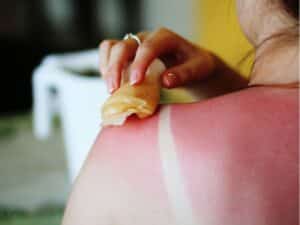
Once you are inside you should take a cool or tepid shower for 10 minutes to draw the heat out of the are affected by the burn
Stay hydrated by drinking water.
Sun burn is one of the only situations where you can apply a cream or balm to the skin. You should apply after-sun lotion or aloe vera to the skin to moisturise, soothe and cool the area.
You should never use grease or oil-based products on the burnt skin.
Inhalation of Fumes or Smoke
If you or someone else have breathed in smoke or fumes, they should also get medical attention at hospital. The first thing to do is to get yourself or the casualty away from the smoke source and encourage them to breathe in fresh air where possible.
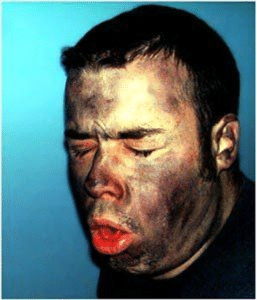
Furthermore, if it is someone else who has breathed in smoke or fumes, you should check consciousness, airway and breathing and be prepared to resuscitate if necessary.
Some symptoms of smoke inhalation may be delayed, and can include:
- Coughing
- Be slightly blue around the lips
- A sore throat
- Difficulty breathing
- Singed nasal hair
- Facial burns or soot around the face
- Hoarse throat
If the injured person is fully conscious, sit them upright to help their breathing. Do not leave them by themselves and continually reassess them to check they are not losing consciousness.
How to Treat an Acid or Chemical Burn
Acid and chemical burns can be very damaging and require immediate medical attention at an A&E department. A medical professional is the only person who can properly treat a burn or scald like this.
If possible, find out what chemical caused the burn and tell the healthcare professionals at A&E.
If you’re helping someone else, put on appropriate protective clothing, such as gloves, and then:
- Remove any contaminated clothing on the person
- If the chemical is dry, brush it off their skin
- Run the affected area under cool running water for at least 20 minutes and be careful of the run off as it could still be corrosive and hurt you. Look at the advice on the packaging and see if there are any specific instructions.
- Use running water to remove any traces of the chemical from the burnt area
About us
First Aid for Life provide award-winning first aid training tailored to your needs. Please visit our site and learn more about our practical and online courses. It is vital to keep your skills current and refreshed. We are currently providing essential training for individuals and groups across the UK. In addition, we have a great range of online courses. These are ideal as refreshers for regulated qualifications or as Appointed Person qualifications.
You can attend a fully regulated Practical or Online First Aid course to understand what to do in a medical emergency. Please visit https://firstaidforlife.org.uk or call 0208 675 4036 for more information about our courses.
First Aid for Life is a multi-award-winning, fully regulated first aid training provider. Our trainers are highly experienced medical, health and emergency services professionals who will tailor the training to your needs. Courses for groups or individuals at our venue or yours.
First Aid for life provides this information for guidance and it is not in any way a substitute for medical advice. We are not responsible or liable for any diagnosis made, or actions taken on this information.


0 Comments