Glucose Intolerance, Insulin Resistance and Diabetes – What are the Differences?
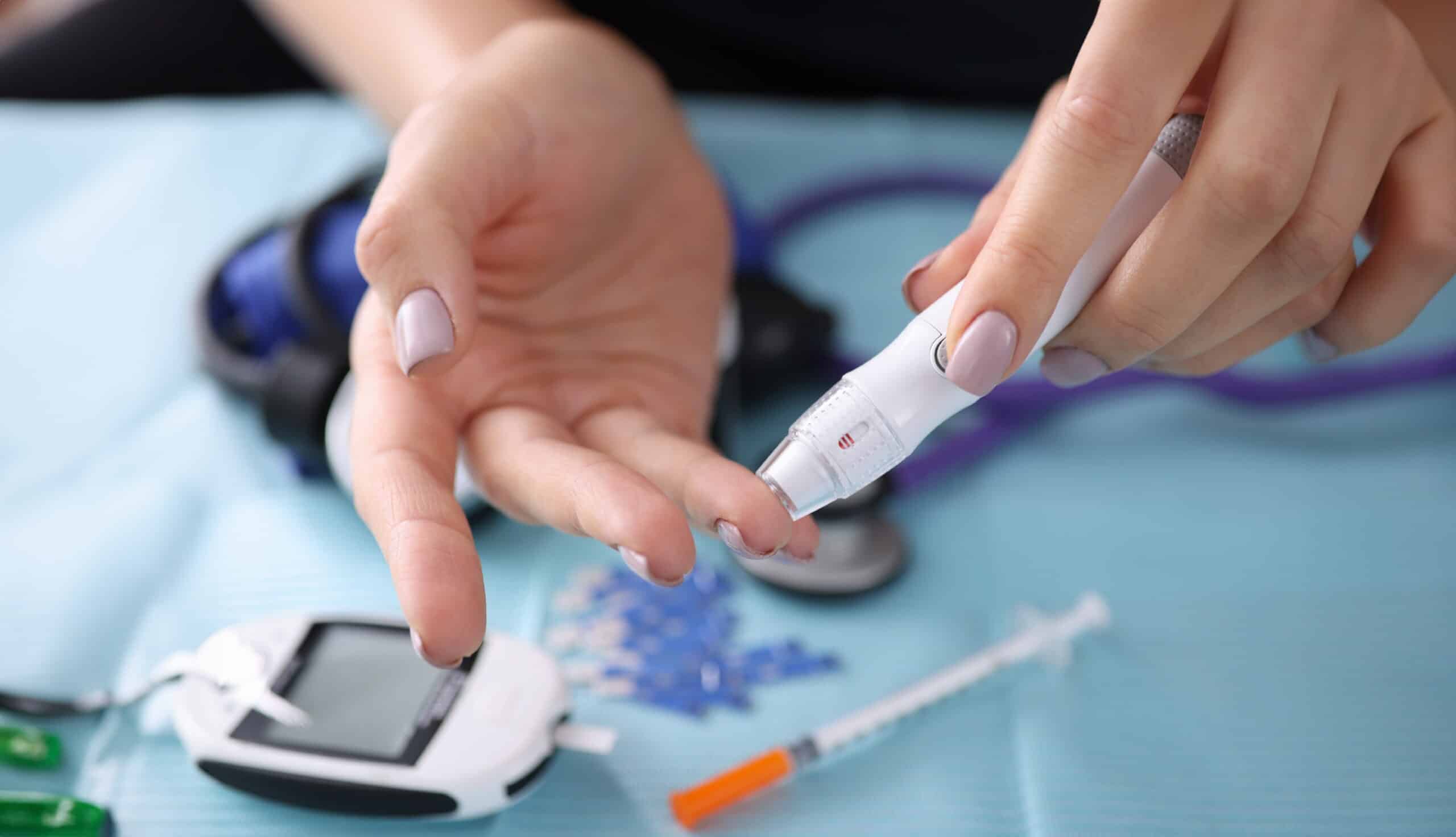
More than 12 million people in the UK are living with diabetes or prediabetes, and many of them do not know it. You may also have heard the terms insulin resistance and glucose intolerance. So, what do they all mean, and how are they different?
In this article, we explain each one in plain English, the signs to look out for and how to help someone having a diabetic emergency.
How insulin works
When you eat, your body turns food into sugar (glucose), which then travels around in your blood. Your pancreas releases a hormone called insulin to deal with it. Think of insulin as a key: it unlocks your cells so the sugar can get in and give you energy.
However, if the key stops working properly, or there is not enough of it, sugar stays in the blood. Over time, too much sugar in the blood can damage the heart, eyes, kidneys and nerves.
What is insulin resistance?
Insulin resistance means the key no longer turns easily. Your cells only partly respond to insulin, so your pancreas has to work harder and make extra to keep your blood sugar in check.
Having insulin resistance does not mean you have diabetes. In fact, it can affect anyone at any age. It is also more likely during puberty, pregnancy and the menopause, because of natural changes in hormones.
What makes insulin resistance more likely?
- Carrying extra weight, especially around your middle
- Fat building up around organs such as the liver
- Not moving or exercising much during the day
- High cholesterol
- Hormonal conditions, such as polycystic ovary syndrome (PCOS)
People of a lower weight can also develop insulin resistance, so weight is not the whole story.
Signs of insulin resistance
Often there are no obvious signs. However, some people feel tired, hungry or find it hard to focus. Eventually, if the pancreas cannot keep up, blood sugar starts to rise. This can then lead to prediabetes or type 2 diabetes.
What is glucose intolerance?
Glucose intolerance means your blood sugar is higher than it should be, but not yet high enough to count as diabetes. Most people know it as prediabetes. Your doctor may also call it non-diabetic hyperglycaemia or impaired glucose tolerance.
Prediabetes rarely causes symptoms. As a result, many people only find out after a routine blood test or a free NHS Health Check, which adults aged 40 to 74 in England can ask for.
Who is more at risk?
- Anyone over 40, or over 25 if you are of South Asian, Chinese, Black African or Black Caribbean heritage
- People whose close relatives: parent, brother or sister has type 2 diabetes
- People carrying extra weight around the middle
- Smokers and people who sleep poorly
The good news
Prediabetes does not have to turn into type 2 diabetes. Small, steady changes really do make a difference. For example, eating well, moving more and losing some weight can halve the risk for some people.
If you have prediabetes, your GP may also refer you to the free Healthier You NHS Diabetes Prevention Programme. This nine-month course helps people make lasting changes, and those who finish it are more than a third less likely to develop type 2 diabetes.
Want to know your risk? Try the free Know Your Risk tool from Diabetes UK. It only takes a few minutes.
What is diabetes?
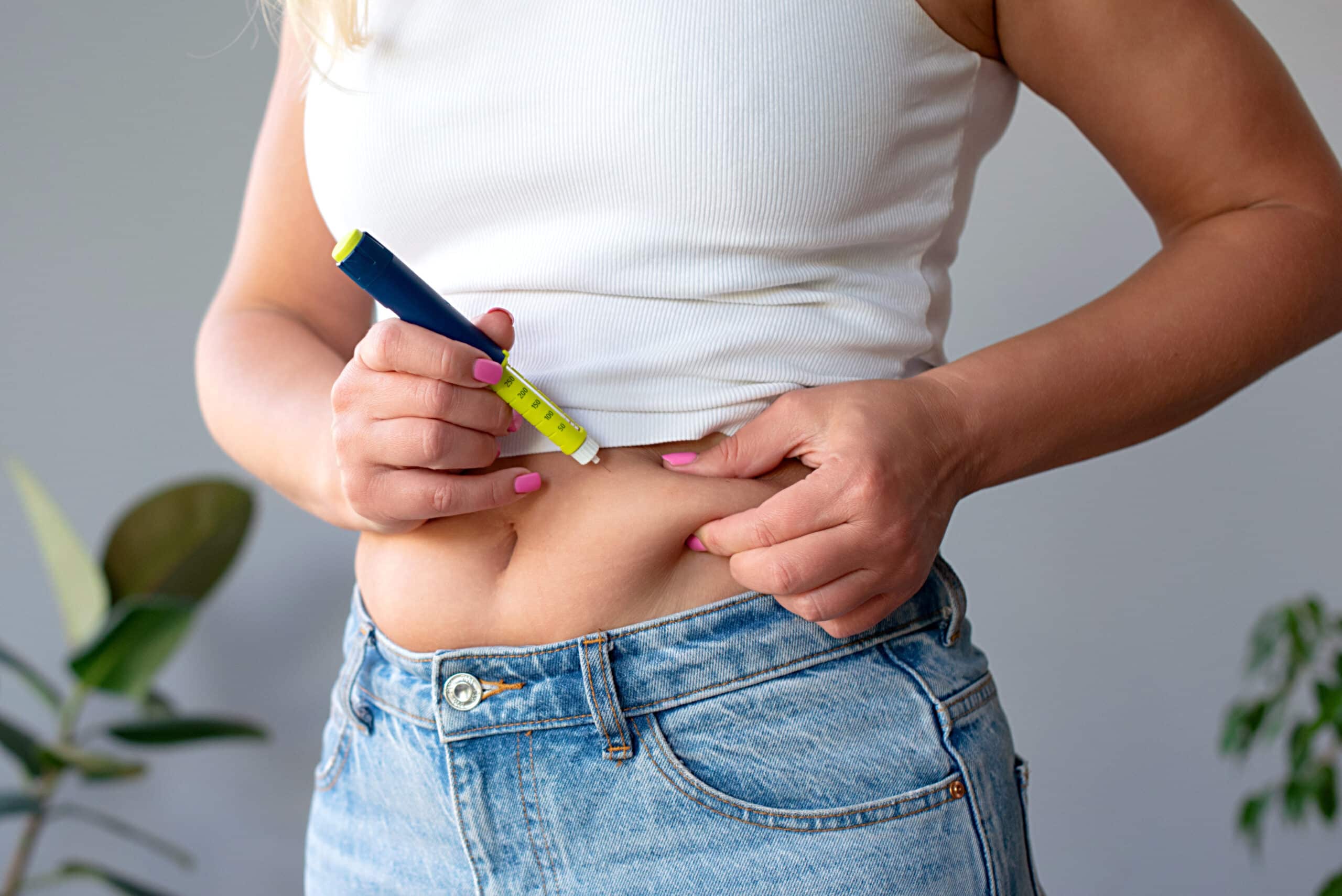
Diabetes is a long-term condition that makes blood sugar run too high. There are two main types.
Type 1 diabetes
In type 1 diabetes, the body cannot produce insulin at all. Therefore, people with type 1 need insulin every day for the rest of their lives. Lifestyle does not cause it, and you cannot prevent it.
Signs often appear quickly, over days or weeks. They are easy to remember as the 4 Ts:
- Toilet: needing to wee much more often, including at night
- Thirsty: a thirst that is hard to quench
- Tired: feeling exhausted, even after rest
- Thinner: losing weight for no obvious reason
If you spot these signs in yourself or your child, ask your GP for an urgent appointment or contact NHS 111.
Type 2 diabetes
Type 2 is far more common, affecting around nine in ten people with diabetes. In this case, the body either does not make enough insulin or cannot use it properly. This is where insulin resistance comes in.
Unlike type 1, type 2 usually creeps up slowly, and some people notice nothing at all. Possible signs include tiredness, thirst, extra trips to the loo and weight loss. Blurry eyesight, cuts that are slow to heal and thrush that keeps coming back can also be clues.
Insulin resistance, prediabetes and diabetes: the key differences
- Insulin resistance: your body does not respond well to insulin, but your blood sugar may still be normal. Healthy changes can often improve it.
- Prediabetes: your blood sugar is higher than normal, but not yet diabetes. Lifestyle changes can often stop it going further.
- Type 2 diabetes: your blood sugar is high enough for a diagnosis. It is a long-term condition, but good management makes a big difference.
- Type 1 diabetes: your body cannot make insulin. It is not linked to lifestyle, and you need insulin for life.
First aid for diabetic emergencies
Anyone with diabetes can become unwell if their blood sugar goes too low or too high. Knowing what to do could save a life. You can find more detail in our article on how to help someone who is hypoglycaemic.
Low blood sugar (a hypo)
A hypo is more likely if someone has taken too much insulin, skipped a meal, exercised or drunk alcohol. It can develop within minutes, so watch for:
- Trembling, sweating or sudden hunger
- Feeling dizzy, anxious or irritable
- Tingling lips or a racing heartbeat
- Blurry eyesight or weakness
- Confusion or odd behaviour, which people can mistake for drunkenness
How you can help:
- Sit them down and reassure them.
- Give them something sugary straight away, such as four large jelly babies, five glucose tablets, two tubes of glucose gel, or a small glass of fruit juice or regular (not diet) sugary or fizzy drink.
- If they have a blood sugar meter, help them test again after 10 to 15 minutes. If it is still low, give more sugar.
- Once they feel better, give them a starchy snack, such as a sandwich, some biscuits or their next meal.
- Stay with them until they have fully recovered.
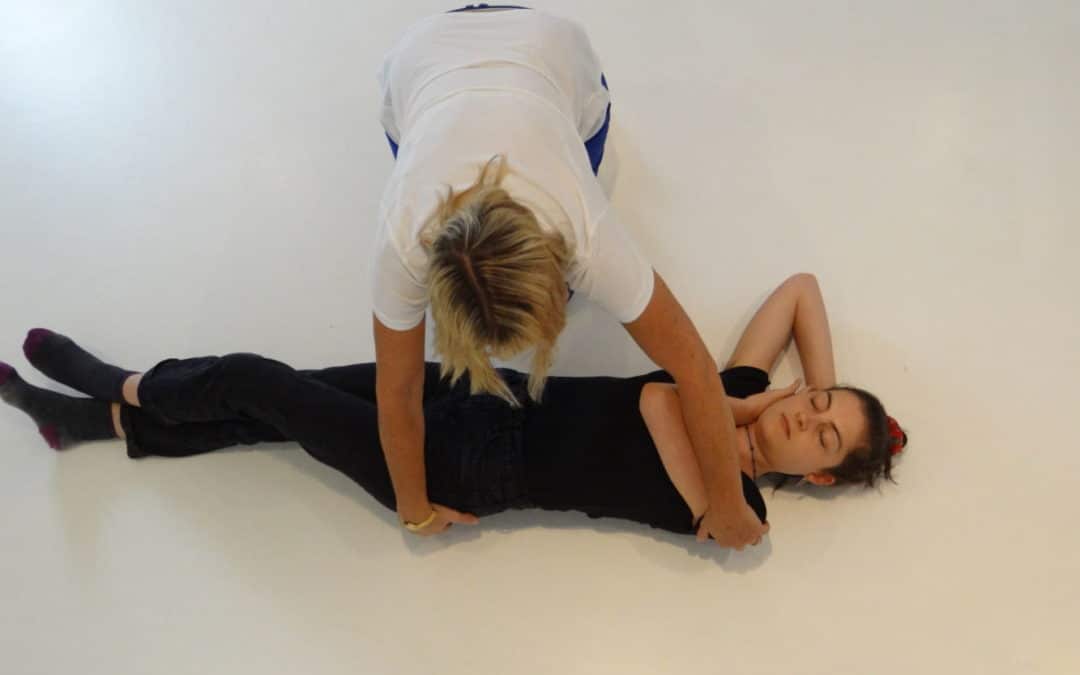
If they become unresponsive: do not give them anything to eat or drink, as they could choke. Check their breathing, put them in the recovery position and phone 999. If they have glucagon and you have been trained to administer it, give it straight away. If they stop breathing normally, start CPR.
High blood sugar (hyperglycaemia)
High blood sugar usually builds up slowly. Look for constant thirst, frequent trips to the loo, tiredness and blurry eyesight.
Without treatment, it can lead to a serious condition called diabetic ketoacidosis (DKA). This happens when the body starts breaking down fat for energy instead, which releases harmful chemicals called ketones.
Phone 999 or go to A&E if someone with high blood sugar also:
- Has nausea, vomiting or tummy pain
- Is breathing fast or has a racing heart
- Seems very sleepy and hard to keep awake
- Has sweet or fruity-smelling breath
- Seems muddled or cannot focus
- Has high ketones when they test
They should not drive themselves to hospital.
Simple ways to lower your risk
Thankfully, the same healthy habits can improve insulin resistance and lower your risk of type 2 diabetes:
- Fill your plate with vegetables, fruit and wholegrains.
- Move more every day: even a brisk walk helps.
- Keep an eye on your waist size.
- Prioritise sleep, and get support to quit if you smoke.
- Ask your GP about a blood test if you are worried.
Finally, family and friends play a big part in keeping someone with diabetes safe. Read our tips on what family and friends should know about diabetes.
 Learn CPR and emergency first aid hands-onSee training dates
About us
We strongly advise attending a fully regulated practical or online first aid course, so you know how to help in a diabetic emergency and many other situations. First Aid for Life is a multi-award-winning, fully regulated first aid training provider. We run practical courses at our London venue or anywhere in the UK, and you can also learn online at onlinefirstaid.com.
First Aid for Life provides this information for guidance. It is not in any way a substitute for medical advice. First Aid for Life is not responsible or liable for any diagnosis made, or actions taken based on this information.



0 Comments