
All hands on deck: a day with the RNLI at Tower Lifeboat Station
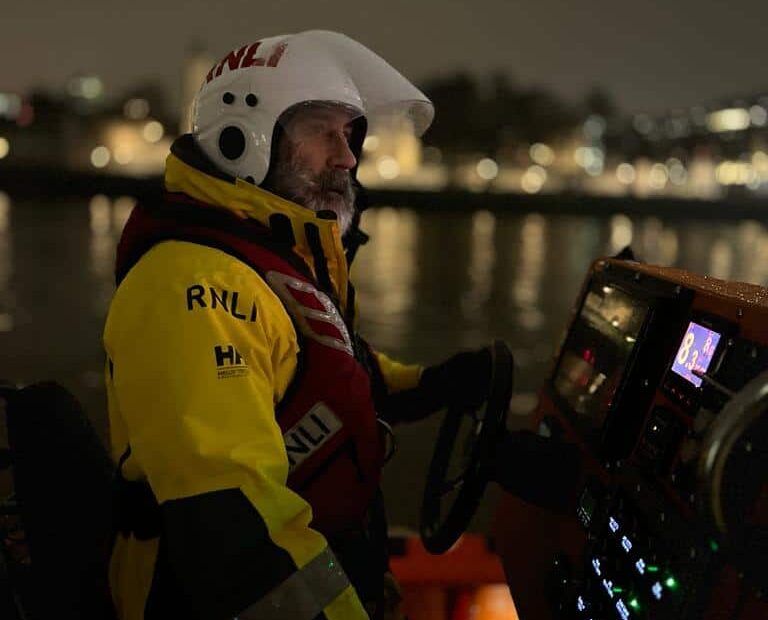
When most of us think of the RNLI, we picture a lifeboat crashing through waves off a rugged coastline. Yet the busiest lifeboat station in the UK and Ireland sits in the heart of London, a stone’s throw from Waterloo Bridge.
Last week I visited Tower Lifeboat Station with members of the Worshipful Company of Nurses. It was a privilege to meet the crew and see first-hand the dedication, training and teamwork behind every rescue on the Thames.
As a first aid trainer, I came away inspired, and more convinced than ever that knowing what to do in a water emergency can be the difference between life and death.
Two centuries of saving lives
The Royal National Lifeboat Institution (RNLI) was founded in a London tavern on 4 March 1824, following an appeal by Sir William Hillary, who had witnessed many shipwrecks from his home on the Isle of Man. It celebrated its 200th anniversary in 2024.
Since then, RNLI lifeboat crews and lifeguards have saved over 146,700 lives: an average of around two lives every single day for 200 years.
A few facts that may surprise you:
- The RNLI runs 238 lifeboat stations around the UK and Ireland, including four on the River Thames.
- Volunteers make up around 95% of its workforce.
- It is a charity, independent of the Coastguard and government, and relies almost entirely on donations and legacies.
- Crews provide a 24-hour search and rescue service, 365 days a year.
Tower Lifeboat Station: lifesaving in the heart of London
Tower Lifeboat Station opened on 2 January 2002, alongside RNLI stations at Gravesend, Chiswick and Teddington. These Thames stations were set up following the inquiry into the Marchioness disaster of August 1989, when 51 people lost their lives after a pleasure boat collided with a dredger near Southwark Bridge.
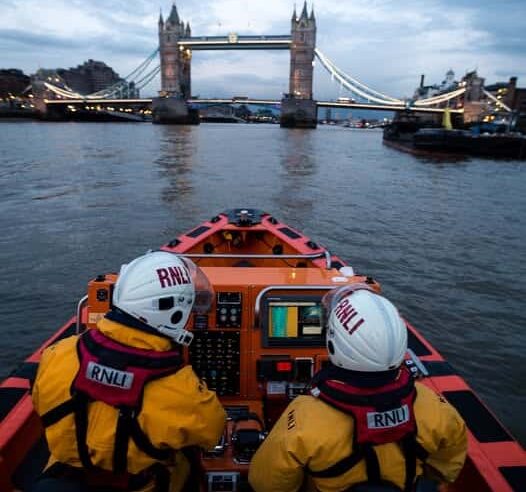
Despite its name, the station is not at Tower Bridge. It began at Tower Pier but now operates from Lifeboat Pier on Victoria Embankment, beside Waterloo Bridge. In 2023 a brand-new floating station was towed under Tower Bridge to replace the old, ageing base.
What makes Tower so remarkable:
- It has been the RNLI’s busiest station since its first year.
- Crew are on station 24/7, ready to launch within moments rather than responding to pagers from home. They volunteer for the the RNLI around their normal jobs, often going straight off to their regular work after a night at the station.
- In 2022 alone, the crew launched 734 times and saved 21 lives, its busiest year at the time.
- On 6 June 2023 it became the first RNLI station to reach 10,000 launches, saving the life of a member of the public on that very shout.
- It uses E class lifeboats, which run on waterjets rather than propellers, so they can work in shallow water and manoeuvre safely alongside other craft.
The crew are a mix of full-time staff and dedicated volunteers. Many shouts involve people in the water, often in distress, and the crew are trained in casualty care as well as boat handling. As nurses and first aiders, we were struck by how much of their work is genuinely medical: keeping someone breathing, warm and calm until they reach hospital.
Why the Thames is so dangerous
The Thames can look calm from the embankment, but it is a powerful tidal river with strong currents, cold water and steep, slippery walls that are very hard to climb out of.
The biggest hidden danger is cold water shock. It can be triggered in any water below 15°C, and rivers such as the Thames are colder than the sea, even in summer. When you suddenly hit cold water:
- you gasp involuntarily, which can mean inhaling water
- your breathing becomes rapid and hard to control
- your heart rate and blood pressure rise sharply, which can trigger a heart attack, even in young, fit people
- panic sets in, making it very hard to swim
Crucially, around 40% of people who die in UK waters never intended to go in. Slips, trips and falls, often after a night out or while walking near the water’s edge, are a common cause.
If you fall in: Float to Live
The effects of cold water shock pass in about a minute. Fighting the water during that time uses vital energy and increases the risk of breathing in water. Instead, the RNLI’s advice is to Float to Live:
- Tilt your head back, with your ears submerged.
- Relax and try to breathe normally.
- Move your hands to help you stay afloat.
- It’s fine if your legs sink: we all float differently.
- Spread your arms and legs to improve stability.
Once your breathing is under control, call for help or swim to safety if you can. Practise floating in a pool so it feels natural if you ever need it.
If you see someone in the water
- Call 999 and ask for the Coastguard (on the Thames, this brings the RNLI).
- Do not go in after them. Many would-be rescuers drown too.
- Shout to them to Float to Live, and keep them in sight so you can direct rescuers.
- Throw them something that floats, such as a lifebuoy (there are many along the Thames), a bag or a bottle.
First aid once they are out of the water
In drowning, the main problem is lack of oxygen, so resuscitation is slightly different from other cardiac arrests. Rescue breaths matter enormously.
If they are unresponsive and not breathing normally:
- Call 999 (or get someone else to) and put the phone on speaker.
- Open the airway by tilting the head back and lifting the chin.
- Give five initial rescue breaths, watching the chest rise and fall.
- Start CPR: 30 chest compressions to 2 rescue breaths.
- Send someone for a defibrillator (AED), but don’t leave the casualty yourself.
- Keep going until help arrives or they start breathing normally.
Don’t try to drain water from their lungs: it wastes time and doesn’t help. Vomiting is common, so be ready to roll them onto their side and clear the mouth.
If they are breathing:
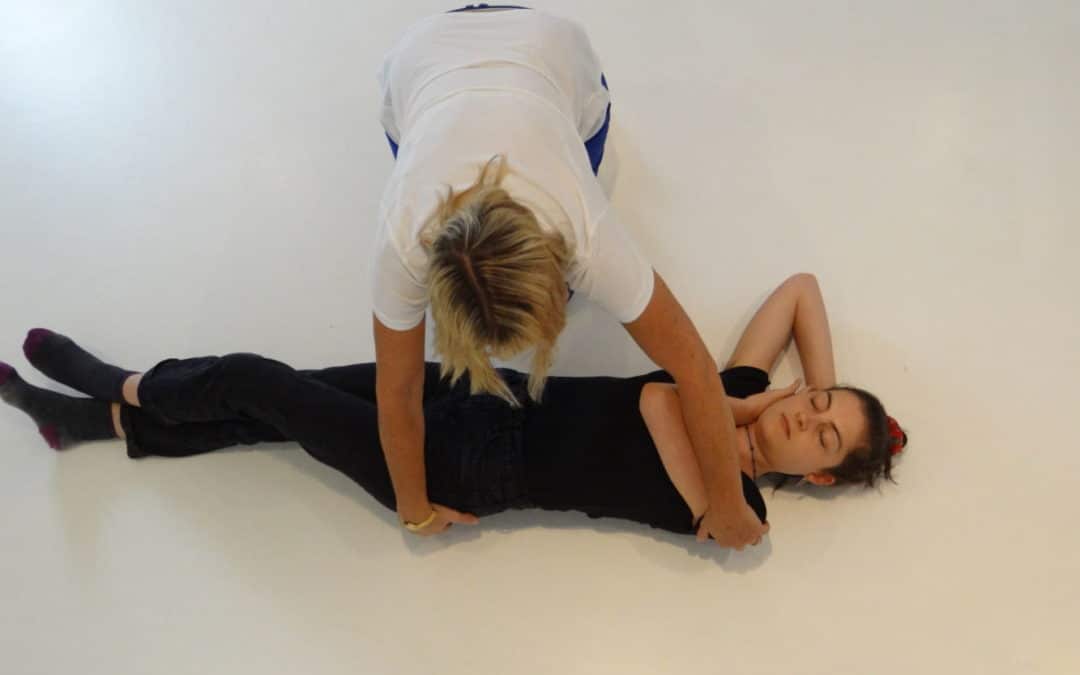
- Place them in the recovery position if they are unresponsive, and monitor their breathing.
- Treat for hypothermia: remove wet clothing if you can, cover them with dry blankets or coats (including the head), and shield them from wind and the cold ground.
- Anyone who has been pulled from the water needs medical assessment, even if they seem fine, because breathing problems (often referred to as secondary drowning) can develop later.
How you can help
The RNLI’s volunteers give their time, skill and courage freely, but every lifeboat, station and kit bag is paid for by public generosity. You can support them by donating, fundraising, volunteering or simply sharing the Float to Live message with friends and family.
And you can help by learning first aid. Lifeboat crews are often minutes away, but the person beside you is seconds away. Knowing how to give rescue breaths, perform CPR and manage hypothermia could save someone’s life before the professionals arrive.
First Aid for Life runs practical, hands-on courses across the UK, and our CPD-accredited online courses at onlinefirstaid.com let you learn at your own pace. Find out more at firstaidforlife.org.uk.
A heartfelt thank you to the crew at Tower Lifeboat Station for welcoming us, and to the Worshipful Company of Nurses for organising such a memorable visit.
About us
It is strongly advised that you complete an online or attend a practical first aid course to understand what to do in a medical emergency. Visit FirstAidforLife.org.uk, OnlineFirstAid.com or call 0208 675 4036 for more information about our courses.
First Aid for Life provides this information for guidance and it is not in any way a substitute for medical advice. First Aid for Life is not responsible or liable for any diagnosis made, or actions taken based on this information.


0 Comments